

How to Style HMDD Sweats Worth the Investment
Selecting HMDD Garments Across Different Body Types: Key Points Before You Purchase
Buying streetwear on the internet involves guessing how a item will really sit on your body, and HMDD (short for Happy Memories Don’t Die) is no outlier. Rather than snug essentials, the label centered its image around baggy, easy-fitting cuts, and that changes how choosing a size should be handled. Before you add anything to your cart, it helps to understand how the label’s core pieces — sweatpants, shorts, hoodies, and tees — perform across a range of body types. This article breaks down what shoppers report in an hmdd review, how the brand’s proportions tend to work, and what to check before you finalize a size.
Streetwear brands like HMDD design around a loose, drop-shoulder aesthetic rather than a tailored fit, and that single design choice affects nearly everyone differently. A tall, narrow frame reads that silhouette one way; a shorter or broader frame reads it another. Getting ahead of that difference is the whole point of this guide, so you’re not left returning items or guessing at checkout.
HMDD’s Signature Approach to Fit, Broken Down
HMDD clothing leans heavily into roomy, square-shaped silhouettes rather than fitted, streamlined cuts. This design choice is by design — the brand’s visual identity, anchored by its “happy memories don’t die” ethos, leans toward a relaxed, worn-in vibe over a close-cut one. That means the sleeves often runs longer than a standard fitted tee, shoulder points extend past the natural shoulder line, and the body length is ample rather than shortened.
For shoppers used to close-cut basics, this can be a real adjustment. A medium in a close-cut label does not carry over directly to a medium in HMDD’s cut. HMDD’s designs are built to hang loosely rather than fit tightly against the body, so added space in the chest, shoulders, and hips is built into the construction rather than a sign of choosing the wrong size.
This matters most with tops and hoodies, where shoulder seam placement drives how “oversized” a piece reads on your body. If your shoulders are narrow, a size premium sweatpants that’s meant to be oversized on an average frame may look almost proportional on you — which isn’t a flaw, just a different visual outcome than the brand’s lookbook models.
Sweatpants and Shorts: Where Your Body Type Matters Most
Body-type considerations become most practical with HMDD sweatpants and HMDD shorts, because these elements interplay in distinct ways depending on your build. Sweatpants with a relaxed leg opening will sit differently on a person with a longer upper body and shorter legs versus someone built the opposite way. The rise, meaning where the waistband falls, whether high or low also alters the general appearance more than most people anticipate.
For petite frames or those with a shorter inseam, loose-fitting sweatpants may bunch up heavily around the ankle barring a willingness to cuff or hem them. That’s not unique to HMDD, but it’s worth planning for since the brand’s silhouette isn’t built around a slim taper. Meanwhile, taller shoppers generally get the most accurate “as-pictured” outcome from relaxed-fit sweatpants, as the additional length and volume were probably built with that frame in mind.
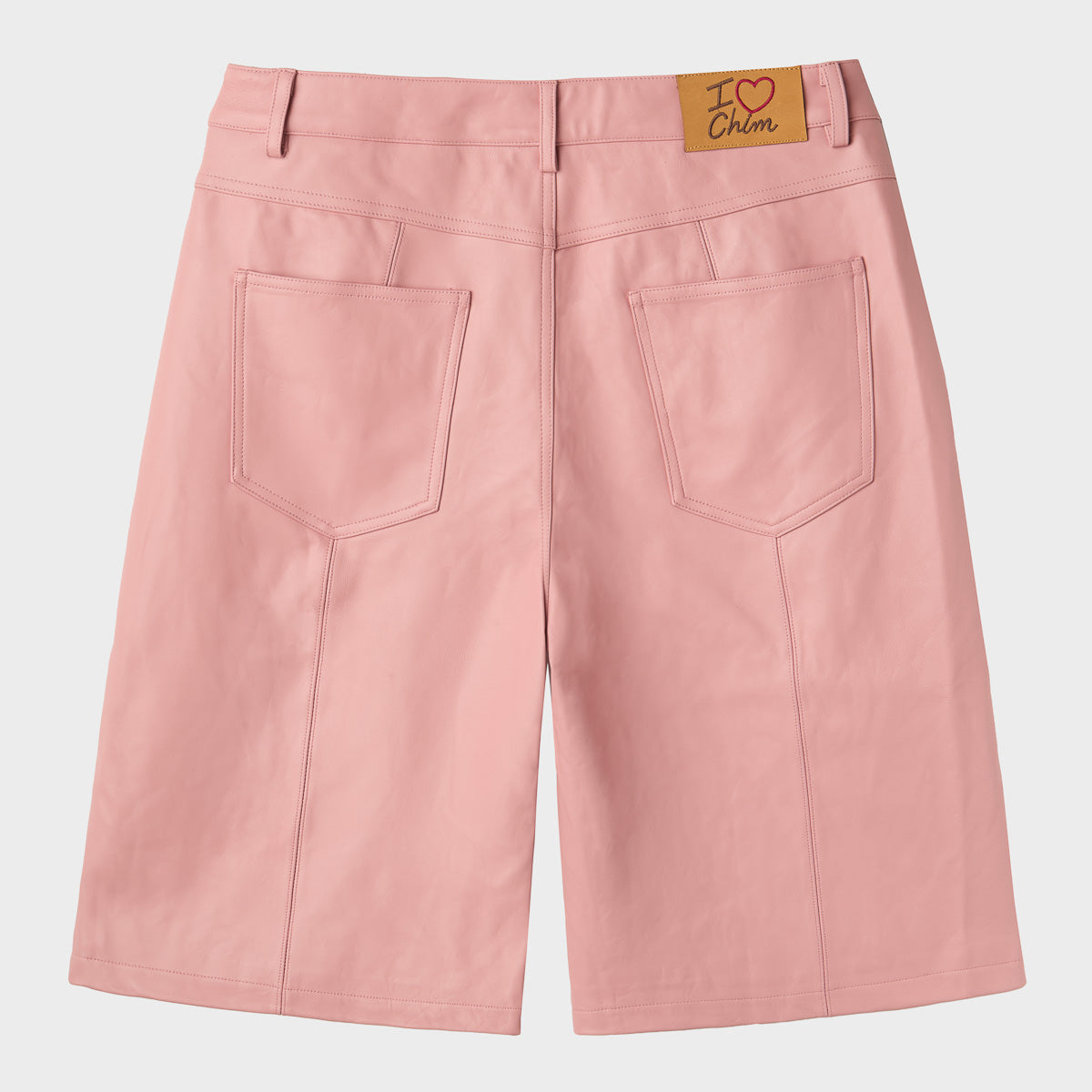
Set against sweatpants, this category come across somewhat differently. Since they stop above the knee or mid-thigh rather than down at the ankle, body type affects the shorts mainly through room at the waist and thighs rather than total length. For precisely this reason, fuller-framed shoppers often find this cut more accommodating than joggers, since there’s less fabric volume to manage below the knee.
Upper-body pieces, Hoodies, and Shoulder-Line Balance
Oversized hoodies and tees are arguably HMDD’s signature category, and shoulder width is the single biggest factor in how they’ll look on you. A drop-shoulder cut is designed to extend past your natural shoulder line by a few inches, creating that boxy, streetwear silhouette. On broader shoulders, this effect is subtle since the seam doesn’t have far to drop before it reaches your natural width.
When shoulders are narrower, the same top falls with more length, producing a bolder oversized silhouette. There’s no wrong version here, but it does mean two shoppers in an identical size can appear quite distinct in photos, something frequently noted in online conversations about hmdd reviews. Torso length plays a secondary role — those with a longer torso and above-average height will find the extra length in HMDD tops feels purposeful rather than oversized, while shorter torsos may find the same top hits lower, closer to mid-thigh, than they’d guessed.
Choosing the Correct Size Based on Each Body Shape
A fitted baseline isn’t HMDD’s starting point, so the size you choose end up depending on the amount of oversized fit you prefer, rather than merely following the number you’d normally choose.
Regardless of shape, a handful of simple pointers exist that make this easier.
- Check your true shoulder width and match it against the brand’s garment measurements instead of trusting your usual size in competing brands.
- Those with an elongated torso should expect that tees and hoodies will sit around true oversized length instead of becoming overly generous length.
- For a shorter frame, cuffing sweatpants or shorts hems is the better move compared to sizing down, since going smaller would also tighten the shoulder and chest fit you’re hoping for.
- If you have a wider frames, a crisper “true to design” oversized look typically results without needing to size up beyond your usual.
- Slimmer builds will get a bolder drop-shoulder effect, and you can size down when a subtler oversized look is preferred.
- When choosing shorts, weight the waist measurement above the overall size label — room in the thigh and waist varies more than length does.
Fit Breakdown across Body Type
| Body Type | The Way HMDD Tops Sit | How HMDD Sweatpants Wear | The Way HMDD Shorts Fit |
|---|---|---|---|
| Tall / Lean | Sits nearer to a genuine oversized proportion; sleeves and length come out as intended | Overall length usually reaches the ankle as designed; minimal pooling | Fit is generally proportional; waist may need a belt if sized up |
| Taller / Big-framed | Shoulder drop is subtle; overall silhouette looks close to “true to size” | Good length match; thigh room is comfortable without extra bulk | Thigh and waist proportion usually balanced |
| Shorter / Slim | Exaggerated oversized look; sleeves may need minor cuffing | Evident pooling at the ankle; cuffing or minor hemming advised | Fits well through the waist; length typically still suitable |
| Shorter / Broad | Blocky silhouette reads intentional rather than baggy | Waist and thigh room easy; ankle length may need cuffing | The most forgiving category; waist room is the main variable to check |
How HMDDLA Customers Describe Fit Consistency
Within HMDDLA and the broader HMDD customer base, commentary typically highlights two things: that the easy fit stays true to the label’s aesthetic, and that checking specific garment measurements matters more than presuming standard sizing. Because the brand’s identity — happy memories dont die — is built around a specific streetwear mood rather than a one-size-fits-all fit standard, shoppers who grasp this going in tend to report stronger satisfaction with their purchase.
People researching the best hmdd clothing for their body type tend to discover that assembling a complete fit works better if it starts with just one category — sweatpants or a hoodie — and this gives a clearer sense of how the label’s proportions suit their specific frame. This experiment-and-refine approach tends to produce stronger long-term results than guessing sizes across the whole product range at once.
Across the category, sizing norms for 2026 remain skewed toward loose-fitting, roomy streetwear silhouettes, which means HMDD’s approach doesn’t stand as an anomaly but rather echoes where casual and street fashion has settled as a broader trend. This broader picture helps explain why the label’s silhouette looks the way it does rather than shifting back to more fitted cuts seen in past style eras.
A Few Final Notes Before You Buy
Body type shouldn’t discourage anyone from trying HMDD clothing — the relaxed fit is built to be accommodating rather than confining. The key thing to grasp is that the fit will look and feel different depending on your shoulder breadth, torso length, and inseam measurement, and adjusting your size expectations accordingly rather than taking for granted the same result for everyone.
Match up the piece’s measurements with your own body ahead of purchase, leave room for small fixes like cuffing where it applies, and treat the brand’s relaxed fit as a style choice rather than a sizing inconsistency. With this approach, the majority of buyers — whatever their body shape — find a size that delivers the look they were expecting from HMDD’s distinct streetwear identity.
